
Common Problems Net Weight Filling Machines Eliminate
Most fill lines lose money in the same three places. Stations drift, operators chase adjustments, and overfill becomes the default way to avoid shorts. A

Most fill lines lose money in the same three places. Stations drift, operators chase adjustments, and overfill becomes the default way to avoid shorts. A

Density changes can push a filler out of tolerance fast, even when the settings do not change. When teams fill by volume, a shift in
Changeovers are where most lines lose schedule control. A bottle swap or product change can stall production, create backups, and force operators into trial-and-error just

Line integration gets expensive fast when equipment speeds do not match. If the upstream feed, downstream conveying, or end-of-line stations cannot keep up with the

A good net weight filling line design improves accuracy, increases output, and creates a smooth path to automation in practical steps. You want that plan

Fill accuracy problems usually show up in yield loss, rechecks, and changeover delays. Understanding net weight and volumetric filling helps you choose the right filling
Overfill and underfill can create expensive problems on a packaging line. If you short a customer, you create a downstream issue. If you overfill, you
Net weight filling systems lose accuracy when the scale cannot read cleanly. Vibration, chatter, or any outside contact during the fill cycle skews weight feedback,
F-style jugs are widely used in industries where exact measurements and zero waste are critical. A slight overfill can lead to costly product loss; an
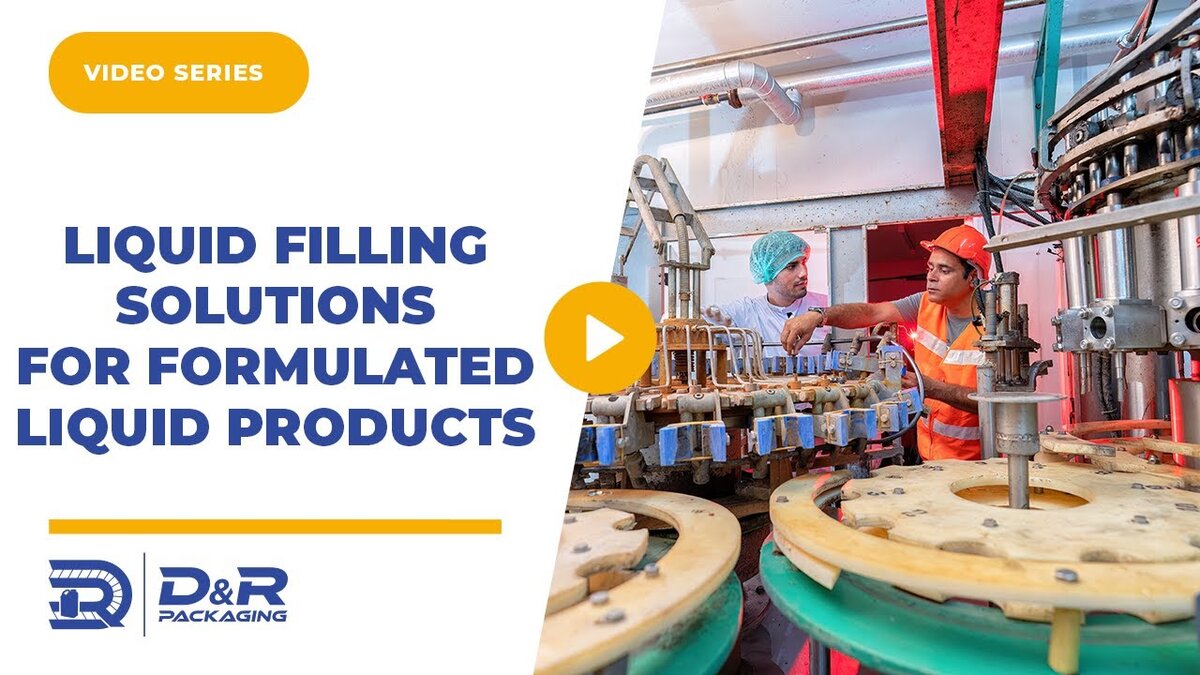
Liquid filling for formulated products in the chemical industry requires specialized solutions. Some liquids are foamy, highly viscous, or dyed, posing contamination risks. Standard filling