
Net Weight Filling vs Volumetric Filling Explained
Fill accuracy problems usually show up in yield loss, rechecks, and changeover delays. Understanding net weight and volumetric filling helps you choose the right filling

Fill accuracy problems usually show up in yield loss, rechecks, and changeover delays. Understanding net weight and volumetric filling helps you choose the right filling
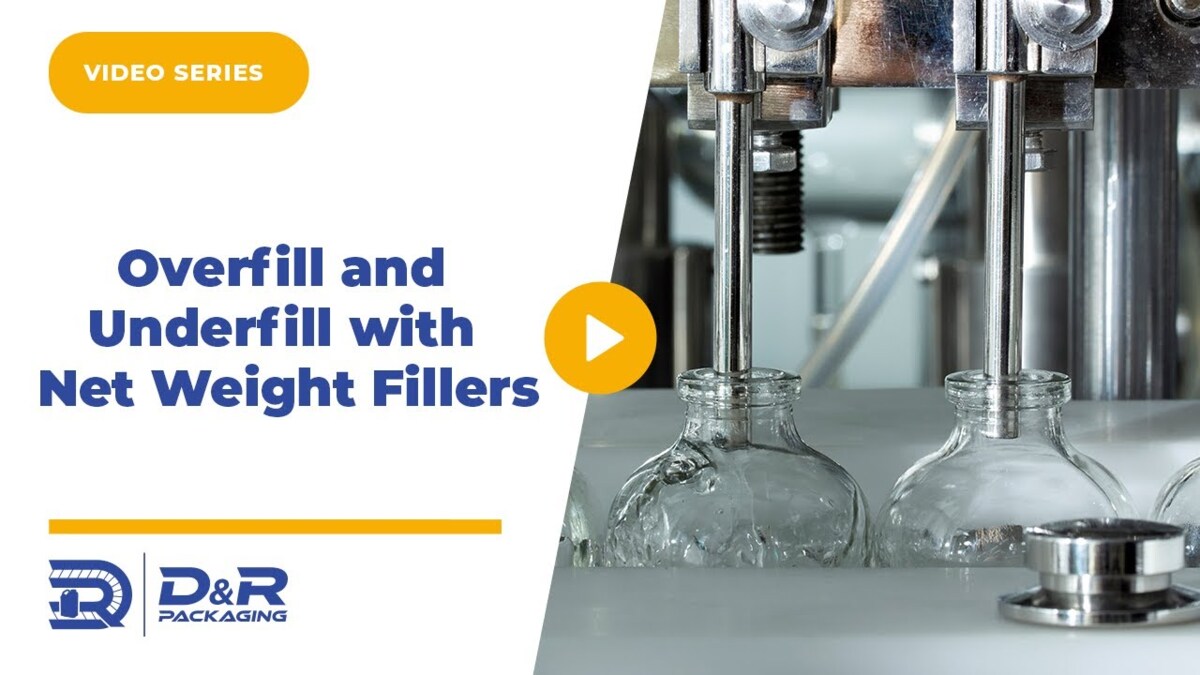
Overfill and underfill can create expensive problems on a packaging line. If you short a customer, you create a downstream issue. If you overfill, you

Net weight filling systems lose accuracy when the scale cannot read cleanly. Vibration, chatter, or any outside contact during the fill cycle skews weight feedback,
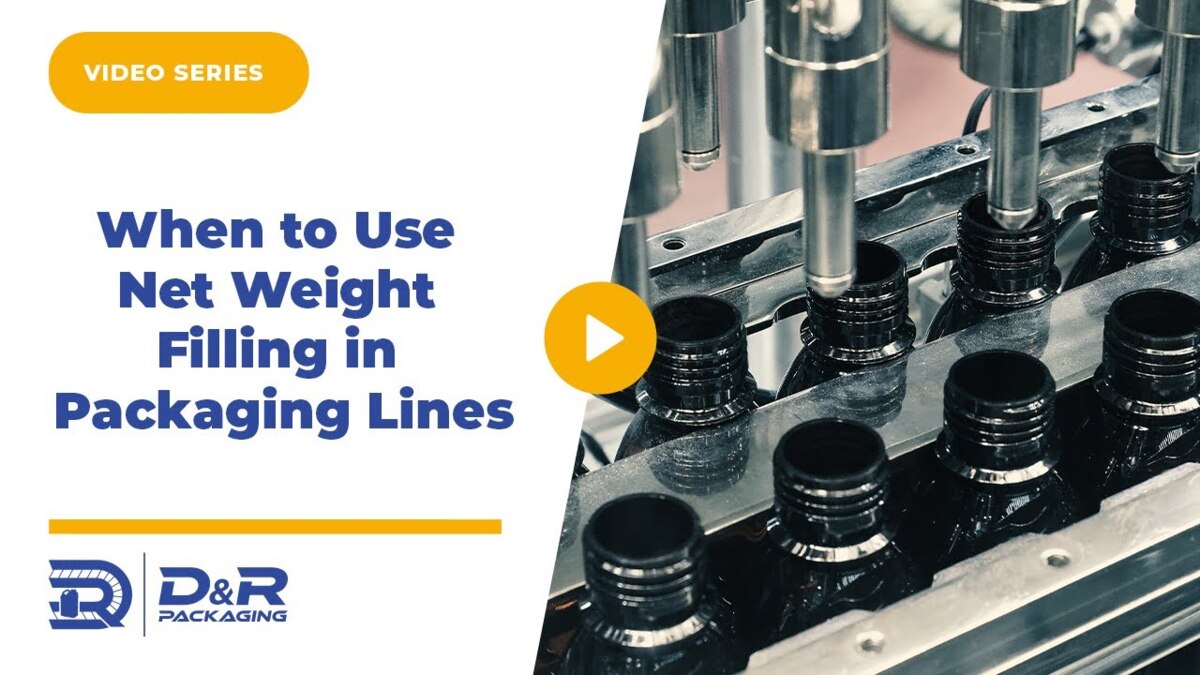
Net weight filling in packaging lines is used when yield control, accuracy, and repeatability directly impact production costs and profitability. Manufacturers rely on this method

When a filling line falls behind, the issue is often not the filler. It is inconsistent bottle feeding, slow capping, or finishing steps that force

A net weight filler controls the fill by measuring weight, not time or volume. Each jug is isolated on its own scale, verified in position,
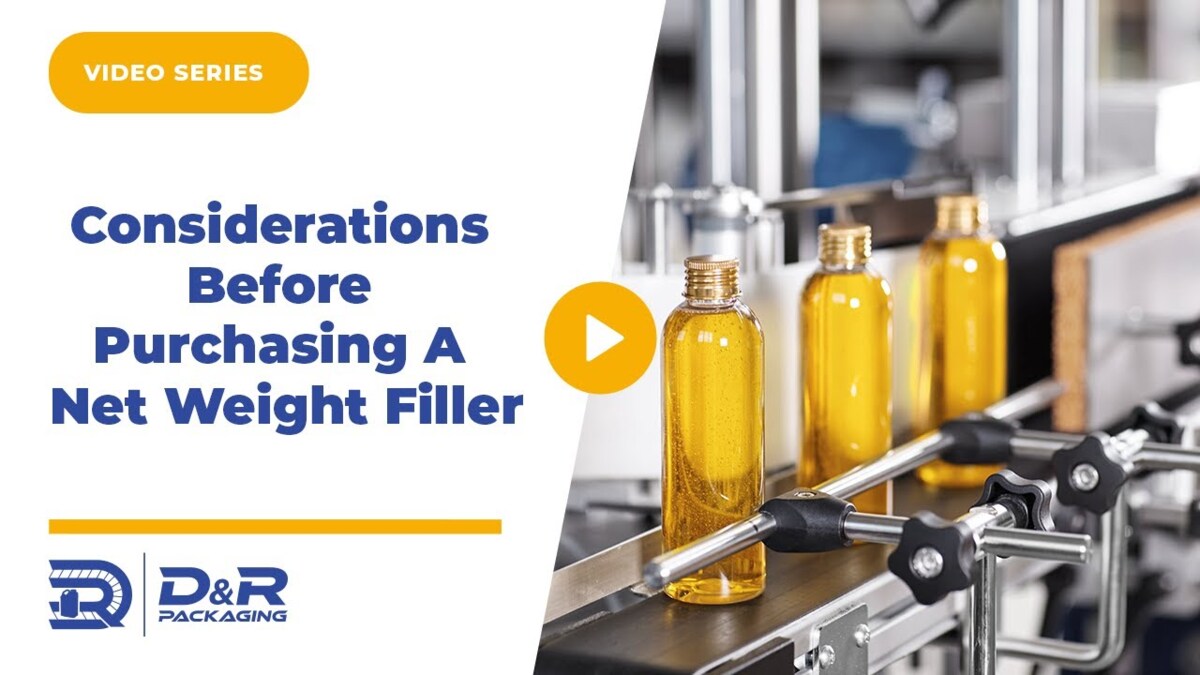
An automated net weight filler only performs as well as the system around it. Seasonal bottle volume, empty container flow, downstream packaging steps, and fluid
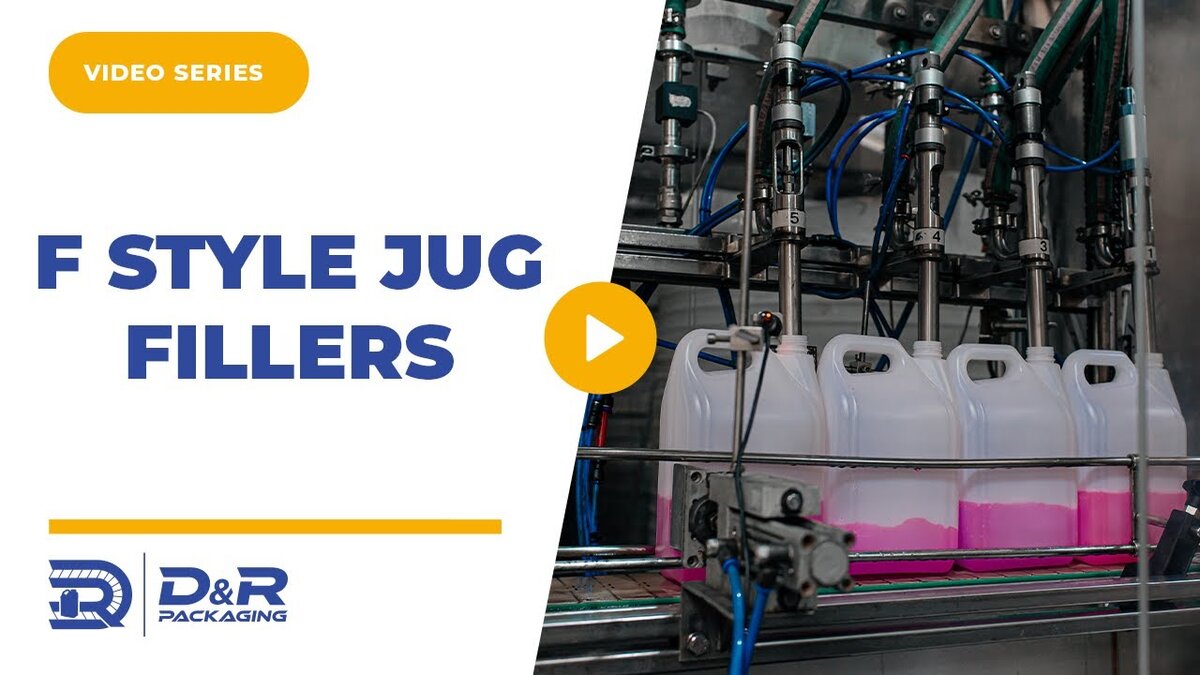
F-style jugs are widely used in industries where exact measurements and zero waste are critical. A slight overfill can lead to costly product loss; an

Clamshell packaging is a popular choice in the food and bakery industries, offering freshness and visibility. However, labeling these containers efficiently can be a challenge.

Liquid filling for formulated products in the chemical industry requires specialized solutions. Some liquids are foamy, highly viscous, or dyed, posing contamination risks. Standard filling