
When Should a Timed Gravity Filler Be Specified for an Application?
When your product is medium to low in cost, an expensive filling machine is hard to justify. For these applications, we recommend a timed gravity

When your product is medium to low in cost, an expensive filling machine is hard to justify. For these applications, we recommend a timed gravity
Many manufacturers sell knife edge conveyors with the basics and charge a premium for anything more. Some don’t offer key features at all. At D&R
Speed and accuracy pull against each other on any liquid filling line. Our D&R net weight filler solves this by splitting each cycle into two
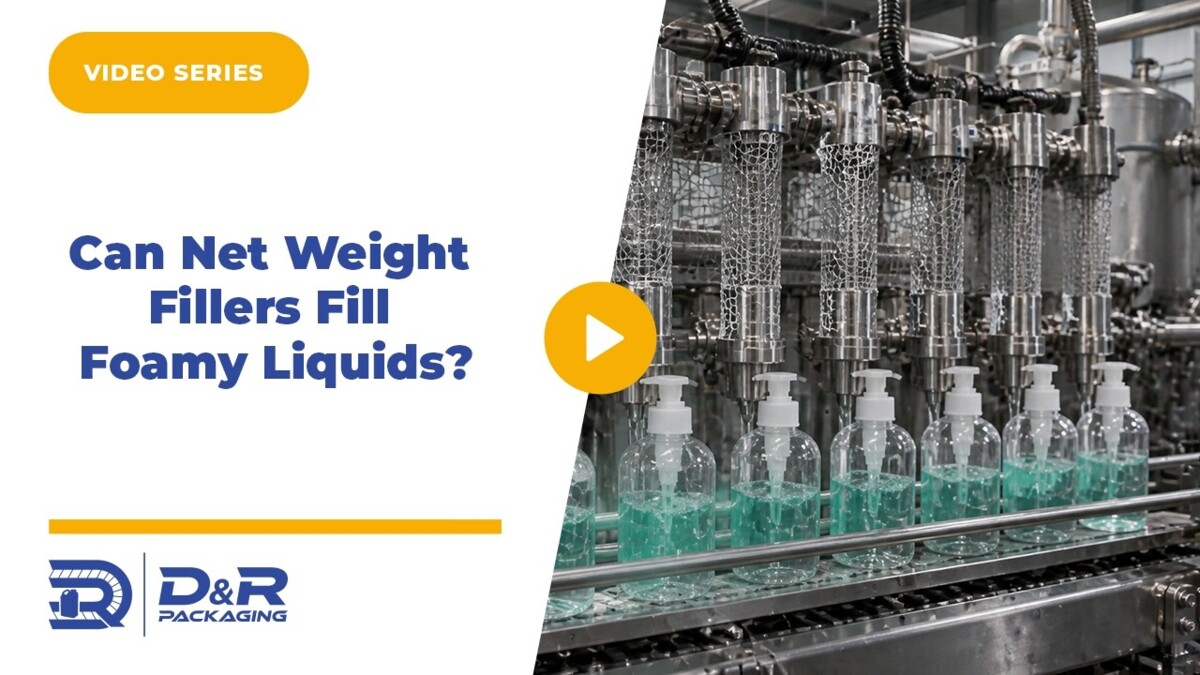
Net weight fillers can fill foamy liquids at full speed. Our D&R net weight filling machine fills foaming products at the same rate as non-foaming

Changeover delays cost co-packing operations real money every single day. Facilities that handle agriculture or chemical formulations for multiple customers know that switching between products
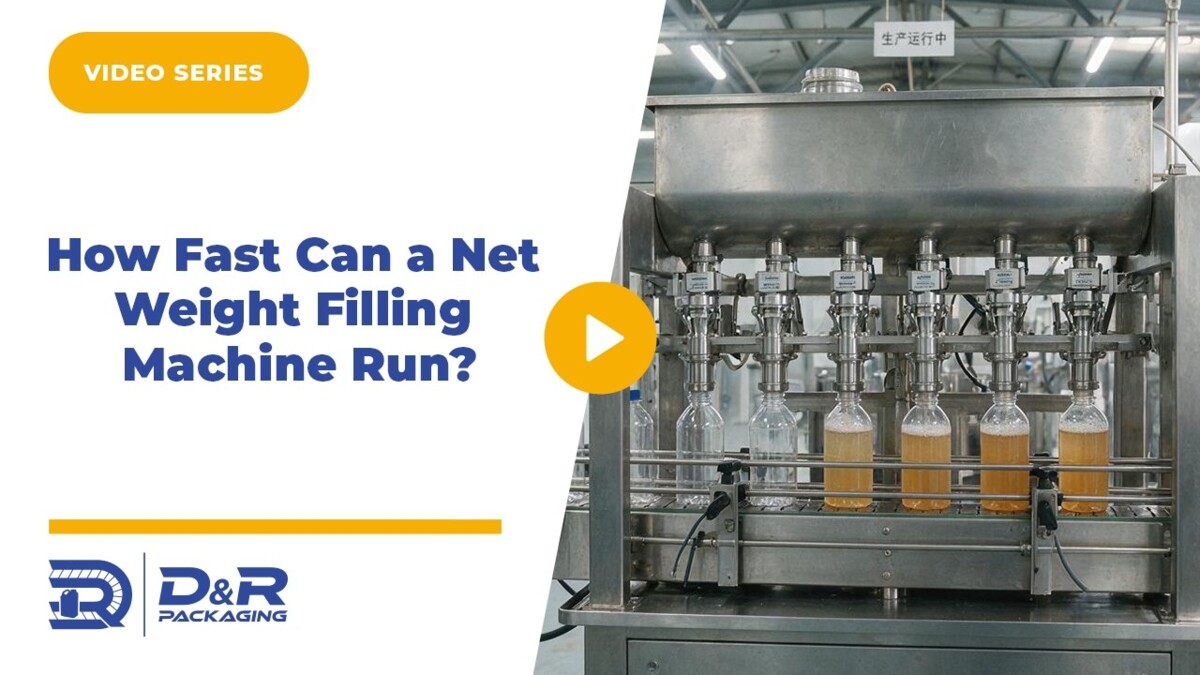
Production managers often ask how fast a net weight filling machine can run before they commit to new equipment. Using 2.5-gallon jugs as our baseline
Unplanned downtime on a liquid filling line costs more than most producers budget for. A single failed seal or stalled valve can idle an entire
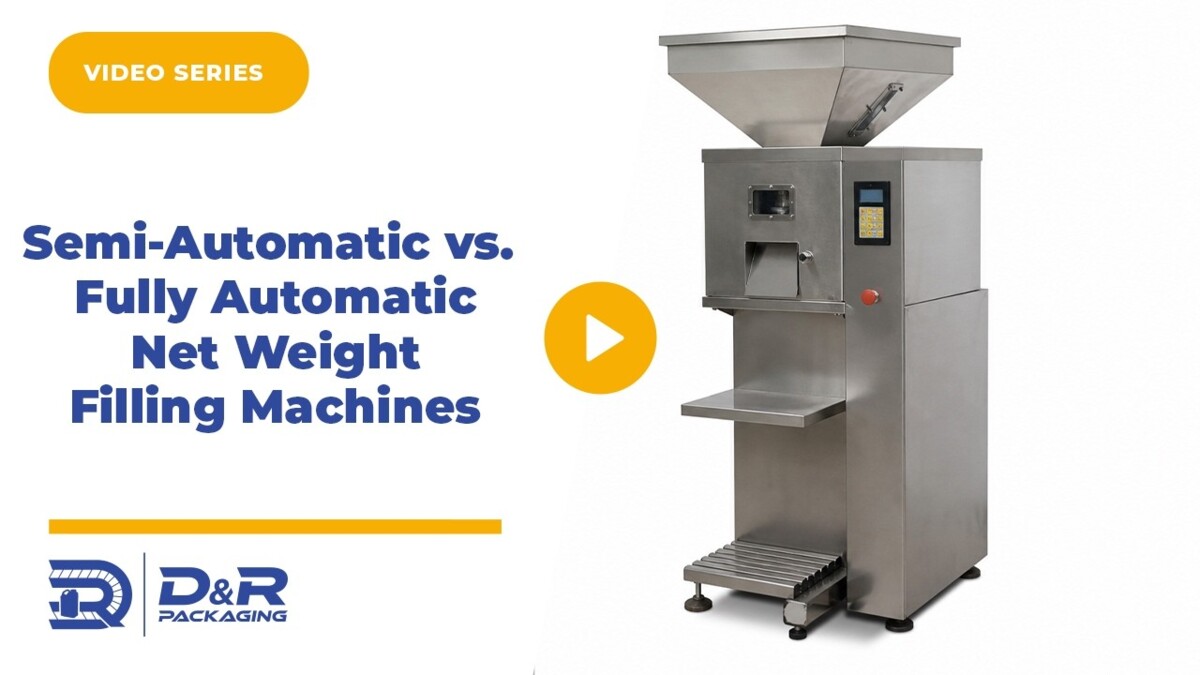
Plant managers upgrading a filling line want to know whether automation earns back its cost. Every bit of yield loss and every minute of setup
One of the first questions we hear from plant managers is whether their current bottles will run on a new filling line. It is a
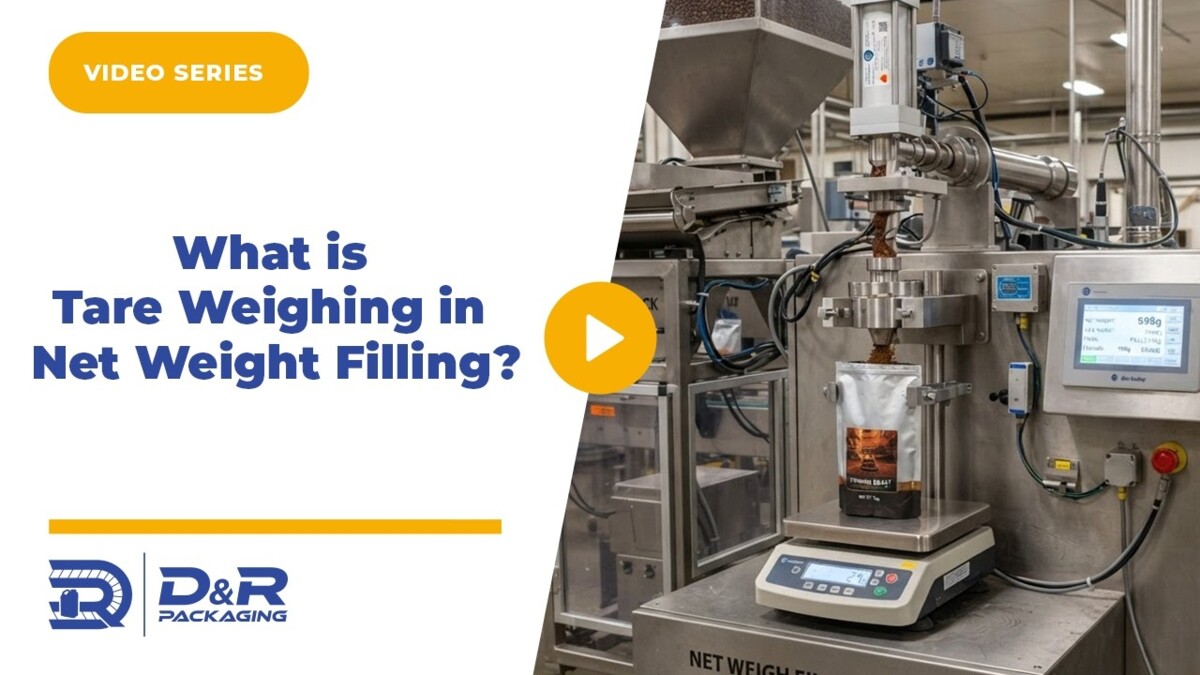
Overfilled bottles cost money on every single run, and underfilled ones cost customers. For most packagers, the variable behind finished weight drift is the container