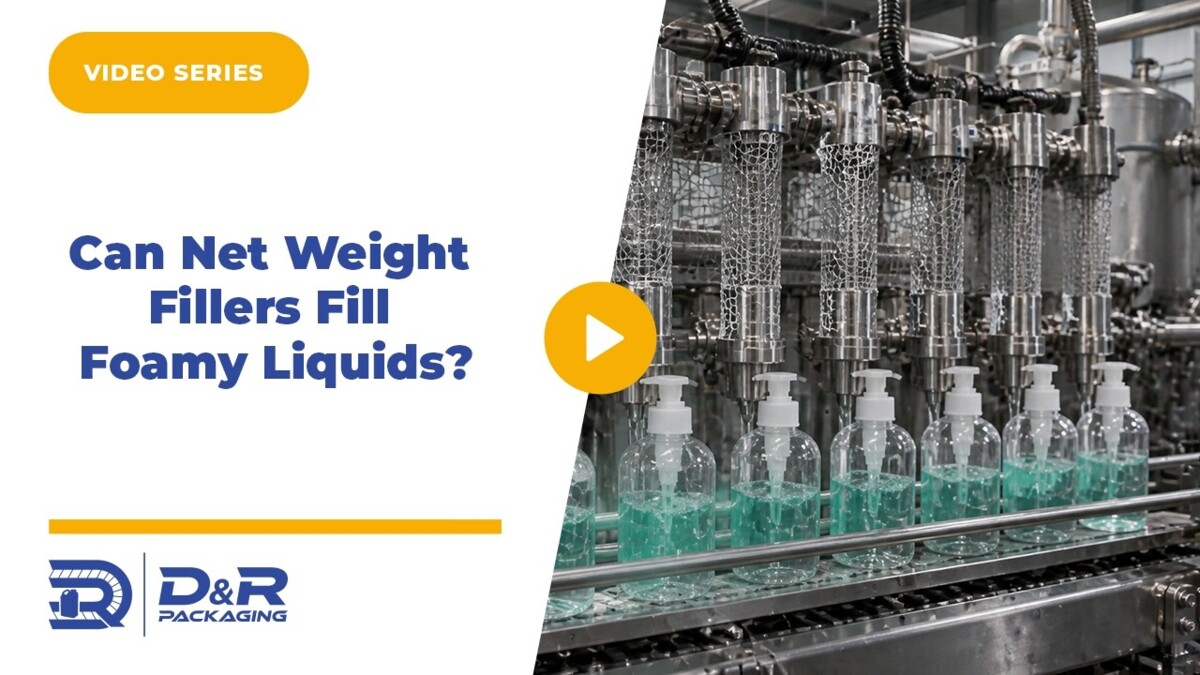
An automated net weight filler only performs as well as the system around it. Seasonal bottle volume, empty container flow, downstream packaging steps, and fluid supply all determine whether the machine can run at capacity. If any part of the line cannot keep pace, the filler becomes underutilized. Before purchasing net weight filler equipment, the entire process should be mapped and validated so the filler’s output is fully supported from bottle infeed through palletizing.
Core Considerations For Purchasing Net Weight Filler Capacity
Seasonal Volume Requirements And Run-Rate Planning
One of the first considerations is the required volume of bottles you need to fill seasonally. That volume influences the capacity you need from an automated two-and-a-half-gallon jug filler and how you plan production schedules around peak demand.
Confirm The Full Line Can Keep Pace
The filler’s performance depends on the surrounding process. When upstream bottle supply or downstream packaging steps fall behind, the overall line pace becomes the limiting factor.
Key Takeaway: Start with seasonal bottle volume, then confirm the surrounding logistics and automation can keep pace with the filler.
Line Logistics That Must Keep Pace With The Filler
Getting Empty Bottles To The Packaging Location
A key consideration is the logistics of getting empty bottles to the packaging location. The filler depends on a steady supply of containers arriving where they need to be when they need to be there.
Downstream Steps That Must Match The Filler
The downstream steps called out as needing to keep pace include:
- Cap mapping
- Induction sealing
- Case packing
- Palletizing the filled bottles
Need expert help with purchasing net weight filler equipment? Contact D&R Packaging for a free consultation.
Fluid Supply System Design Is Often Overlooked
Flow Rate And Pressure Must Support Machine Capacity
One often overlooked aspect is the design of the fluid supply system to the filler. The system must supply fluid at a flow rate and pressure that allows you to utilize the capacity of the filling machine.
Choose A Supply Approach That Fits Your Operation
D&R Packaging net weight fillers, both semi-automatic and fully automatic, have been designed to work well with many different fluid supply systems. The key is selecting a supply approach that supports the flow rate and pressure your process requires.
Pro Tip: Evaluate the filler and the fluid supply system together during planning so the supply supports the capacity of the filling machine.
Compatibility With Common Supply System Types
Systems Customers Commonly Use With D&R Packaging Fillers
Customers use a range of supply systems, including:
- Pressurized loop systems
- Variable speed dedicated centrifugal pumps for each product
- Diaphragm pumps
- Variable speed pumps are used across all products
Some facilities use more than one type of system in the same plant.
Why Supply-System Compatibility Is A Purchasing Advantage
When a filler works well with multiple supply system types, you can align the equipment with your existing infrastructure and process preferences.
Key Takeaway: Supply-system compatibility helps the filler fit your facility’s approach without forcing a single supply design.
Plan The Full System Before You Buy
Before you commit to equipment, confirm seasonal bottle volume, plan logistics for getting empty bottles to the packaging location, and ensure cap mapping, induction sealing, case packing, and palletizing can keep pace with the filler. Do not overlook fluid supply design, since flow rate and pressure determine whether you can utilize machine capacity. Contact D&R Packaging and schedule a consultation for purchasing net weight filler equipment.