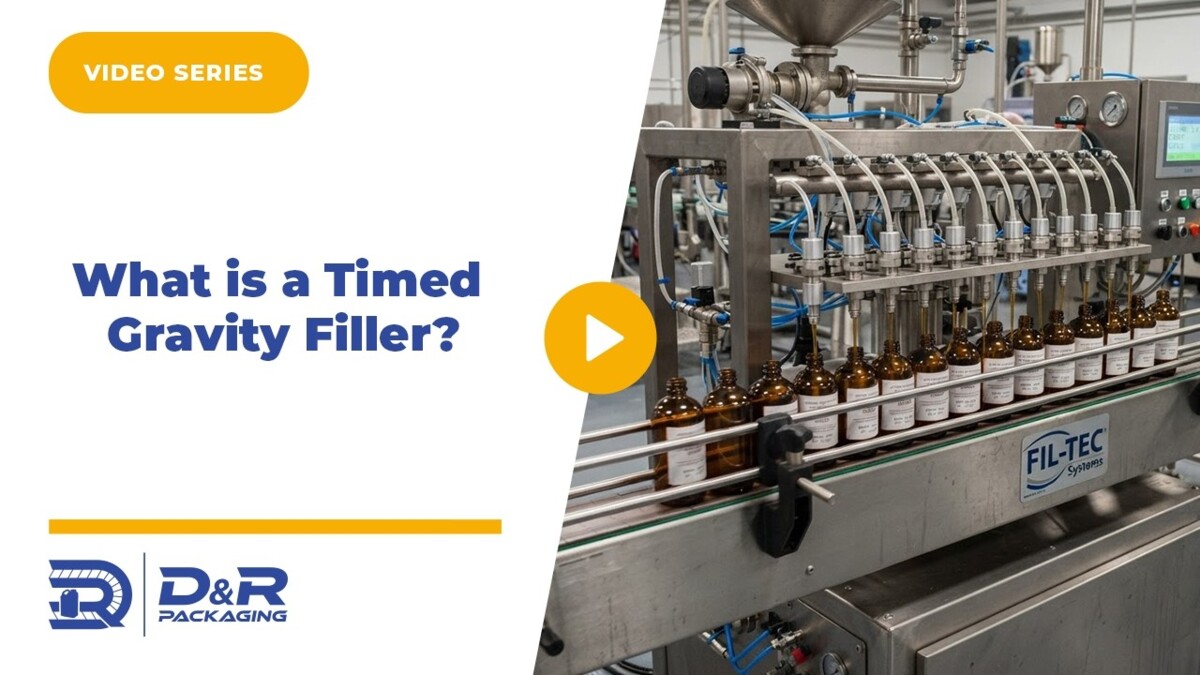
What is a Timed Gravity Filler?
A timed gravity filler is a liquid filling machine that lets product flow from a fill tank into containers, and what sets it apart is

A timed gravity filler is a liquid filling machine that lets product flow from a fill tank into containers, and what sets it apart is

When your product is medium to low in cost, an expensive filling machine is hard to justify. For these applications, we recommend a timed gravity
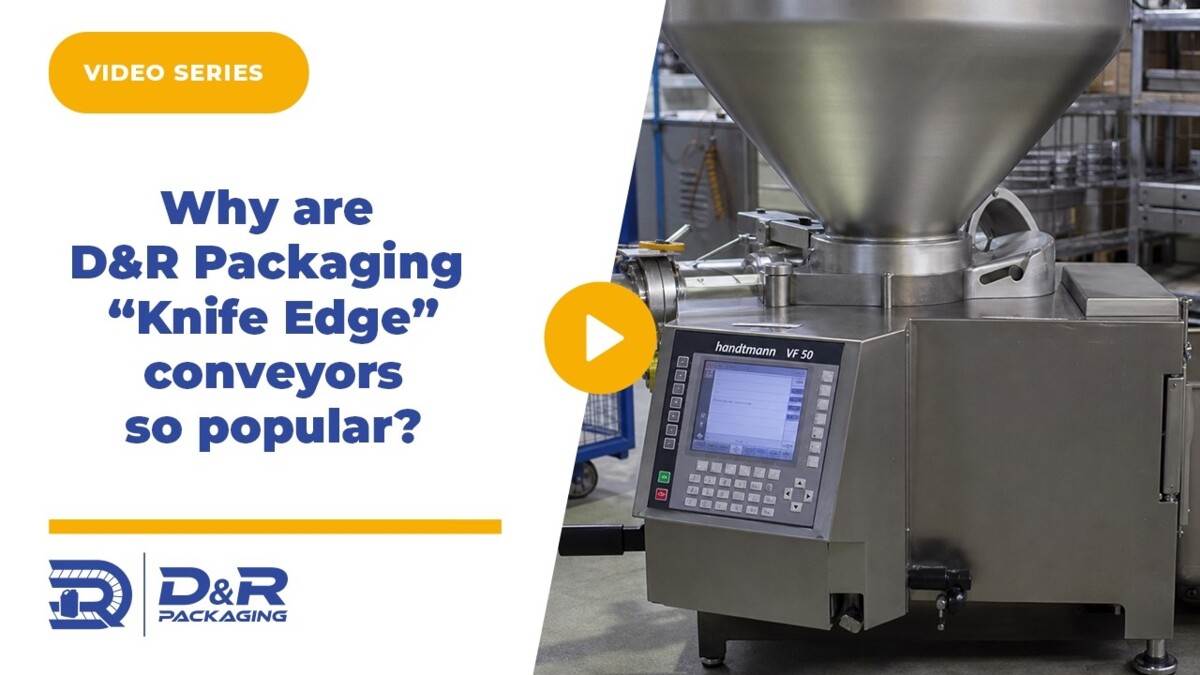
Many manufacturers sell knife edge conveyors with the basics and charge a premium for anything more. Some don’t offer key features at all. At D&R
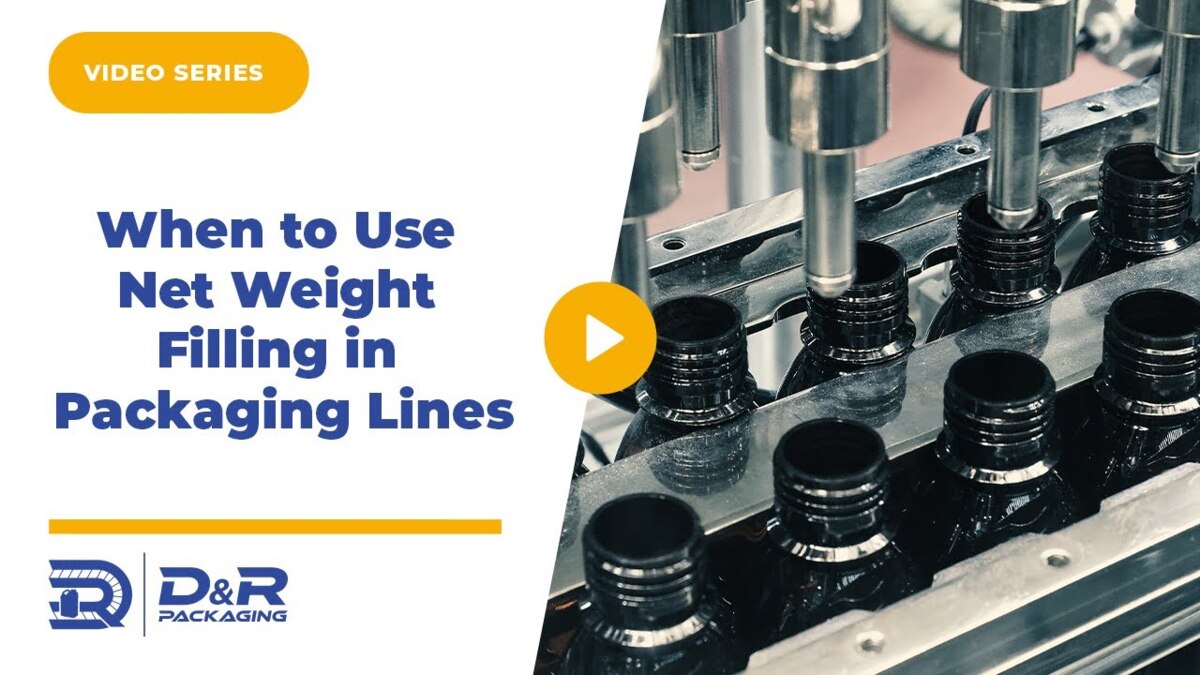
Net weight filling in packaging lines is used when yield control, accuracy, and repeatability directly impact production costs and profitability. Manufacturers rely on this method

When a filling line falls behind, the issue is often not the filler. It is inconsistent bottle feeding, slow capping, or finishing steps that force

A net weight filler controls the fill by measuring weight, not time or volume. Each jug is isolated on its own scale, verified in position,

An automated net weight filler only performs as well as the system around it. Seasonal bottle volume, empty container flow, downstream packaging steps, and fluid

Clamshell packaging is a popular choice in the food and bakery industries, offering freshness and visibility. However, labeling these containers efficiently can be a challenge.

Growing a small business requires efficient production methods, especially when packaging products accurately. Manual filling can lead to inconsistencies, wasted product, and slow turnaround times.

Small businesses need efficient packaging solutions that balance cost and accuracy. Manual filling can be slow and inconsistent, while fully automated systems require a large